

AIR FORCE HEADQUARTERS HOLDS LECTURE ON SUICIDE AWARENESS AND PREVENTION
Story by Sergeant Wettey P.
Pictures by NSP Nyante J.
The Air Force Headquarters (AFHQ) has held a lecture on suicide awareness and prevention as part of activities marking World Suicide Prevention Month in September.
Held under the theme, “Changing the Narrative on Suicide,” the lecture took place on Thursday, 24 September 2026, at the AFHQ Conference Hall. It was aimed at enhancing personnel’s understanding of suicide, promoting open conversations on mental well-being and encouraging early intervention and help-seeking.
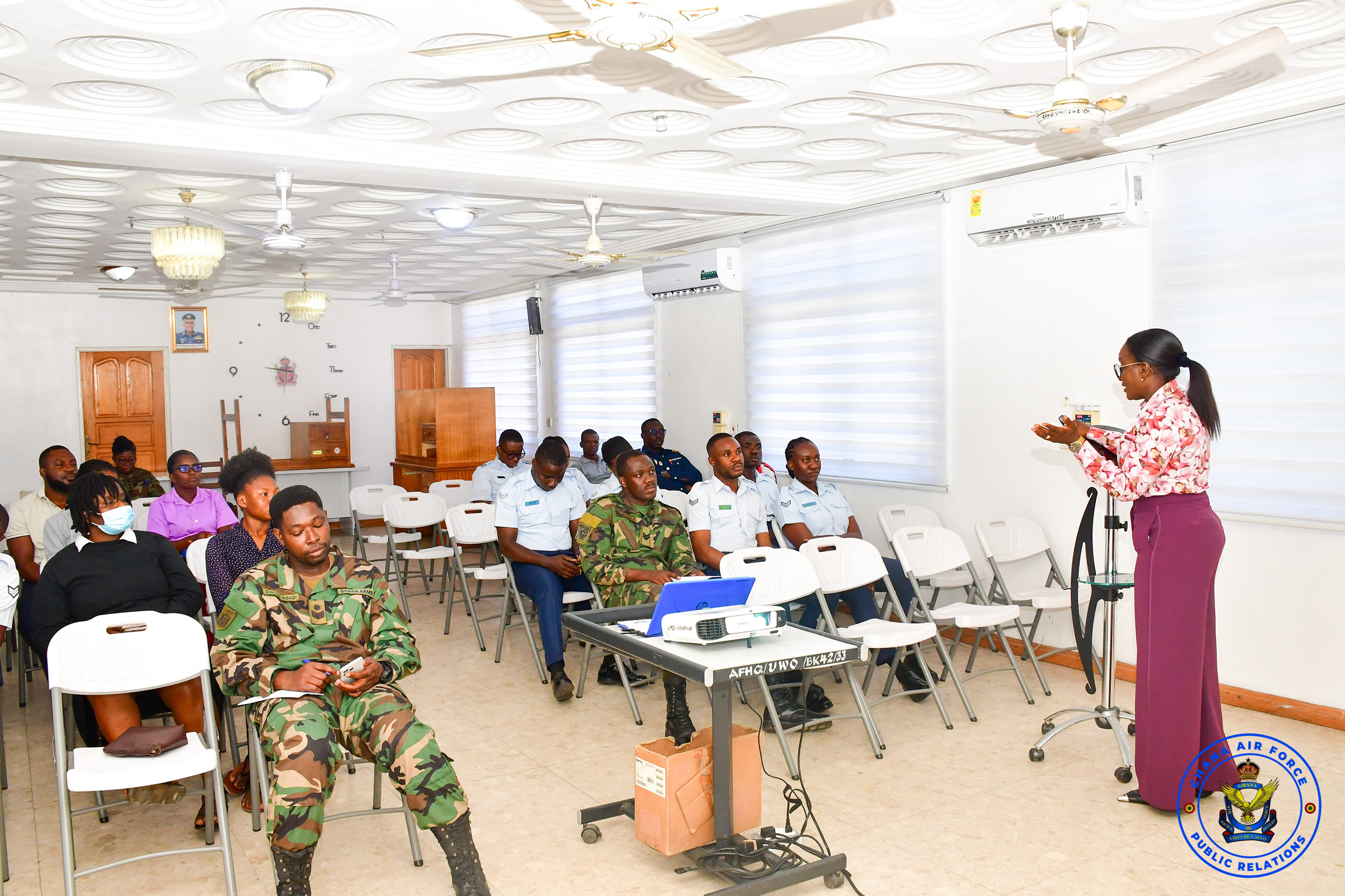
Delivering the lecture, Madam Olivia Mawutor, a psychologist at Air Force Base Accra, highlighted some stressors that could adversely affect the well-being of military personnel. These included relationship difficulties, work-related stress, substance misuse, financial challenges, as well as legal and disciplinary concerns.

She also discussed factors associated with an increased risk of suicide, including a history of suicide attempts, social isolation and limited support systems. She stressed the importance of paying particular attention to individuals experiencing significant emotional or psychological distress.
Madam Mawutor further educated personnel on possible warning signs, including expressions of hopelessness, feeling trapped or being a burden to others, as well as persistent feelings of guilt or shame. She explained that recognising changes in behaviour and emotional well-being could provide an opportunity for colleagues, friends and family members to offer timely support.
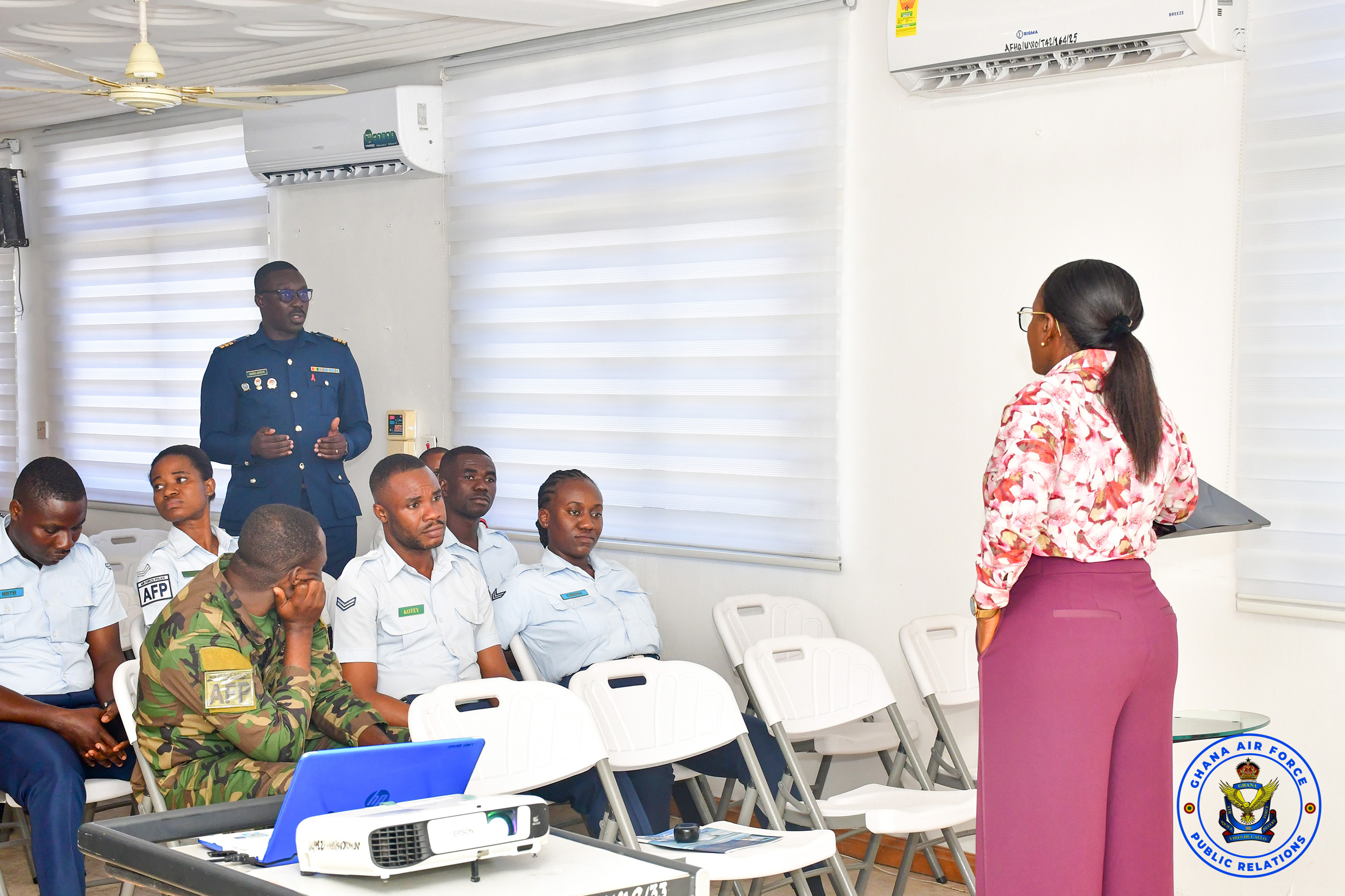
She also highlighted protective factors that could help reduce suicide risk, including strong connections with family, friends and colleagues, access to appropriate professional care, a supportive environment and a sense of purpose. Personnel were encouraged to make it easier for individuals experiencing difficulties to seek and receive the assistance they need.
The lecture also examined barriers that may prevent individuals from seeking help, including stigma, aspects of military culture and some sociocultural and religious perceptions surrounding mental health.
Concluding the session, personnel were encouraged to look out for one another, recognise warning signs and support colleagues who may be struggling. They were also urged to help create an environment in which personnel could openly discuss their challenges without fear of stigma or judgement.
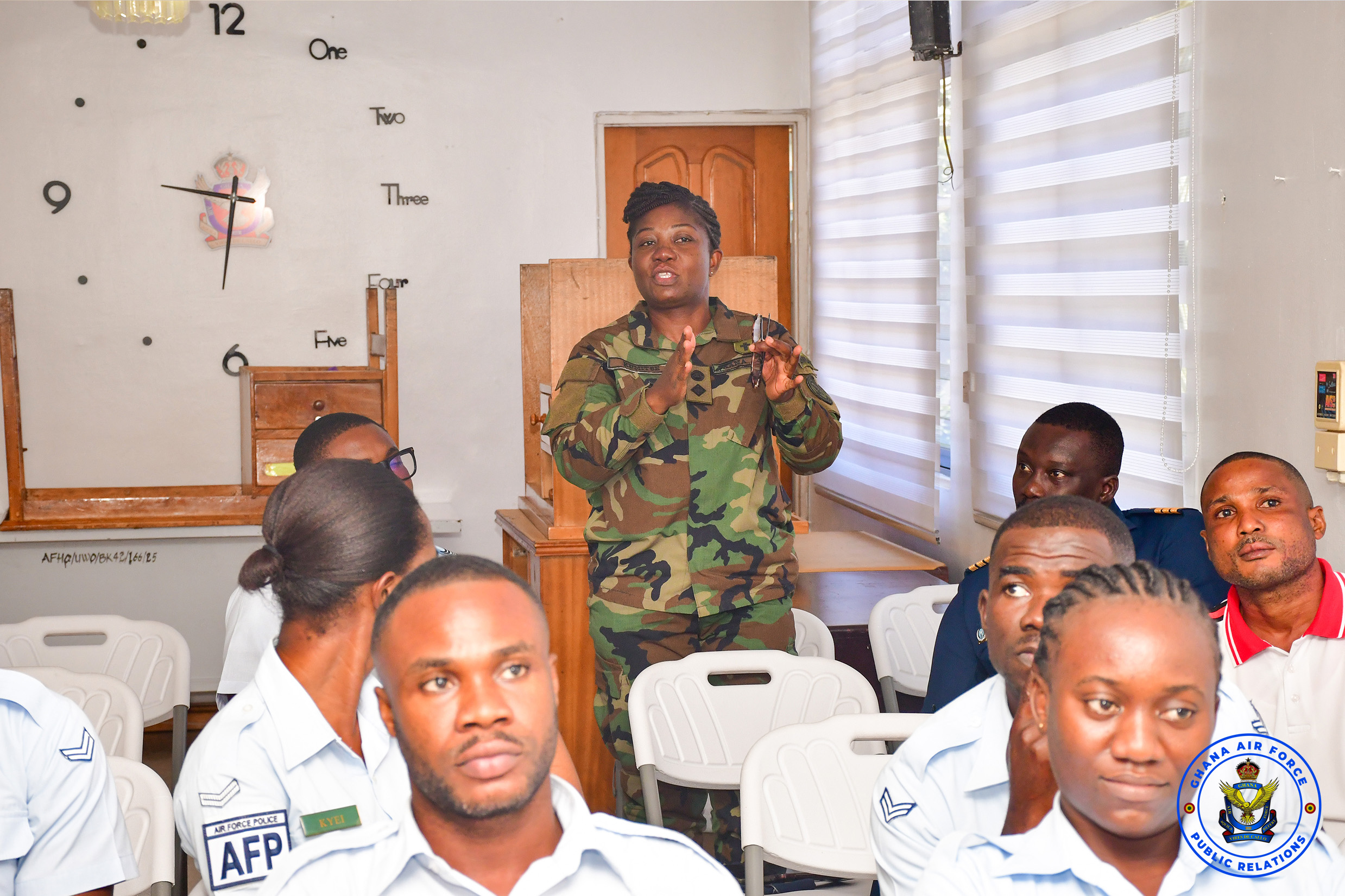
The lecture reinforced the message that early recognition, appropriate support and timely professional intervention can help save lives.
Join Our Mailing List
For receiving our news and updates in your inbox directly.